

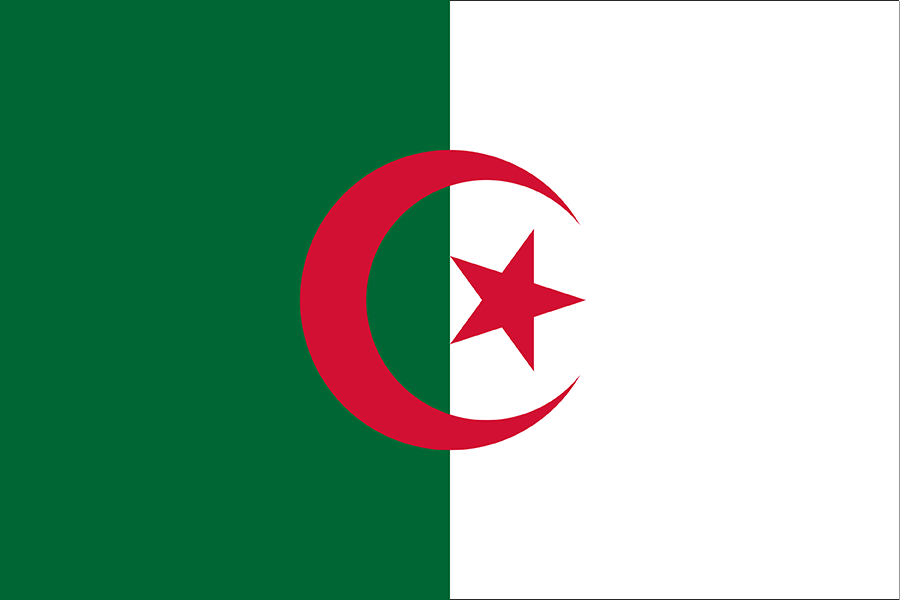
Fáni
Helstu tölur og staðreyndir
| Höfuðborg: | Algeirsborg |
| Þjóðernishópar: | Arabískir Berbar 99%, Evrópubúar og aðrir 1%. Þótt næstum allir Alsírbúar séu að uppruna Berbar, eru aðeins um 15% sem skilgreina sig þannig. |
| Verg landsframleiðsla á hvern íbúa: | 13 210 PPP$ |
| Tungumál: | Arabíska og berbísk mál, þar á meðal tamazight, eru opinber tungumál. Franska er einnig mikið notuð. |
| Trúarbrögð: | Múslimar, aðallega súnní-múslimar, eru um 99% íbúa. Aðrir hópar, þar á meðal kristnir og gyðingar, eru um 1% |
| Íbúafjöldi: | 47.435.312 (2025) |
| Stjórnarform: | Hálfforsetakerfi |
| Flatarmál: | 2.381.740 km² |
| Gjaldmiðill: | Alsírskur dínar |
| Þjóðhátíðardagur: | 1. nóvember |
Geography
Algeria is the largest country in Africa by area, bordering the Mediterranean Sea in North Africa. The Sahara Desert covers more than 80% of the country. The Atlas Mountains separate the coastal regions of the Mediterranean Sea from the hot and dry desert regions of the south. The coast has a Mediterranean climate and is largely mountainous. Winters can be very cold in the mountainous regions. The Tell region between the coast and the desert is fertile but small, and contains almost all of Algeria's arable land.
Algeria is prone to drought and water shortages, and pollution is also a major problem. Overgrazing and poor agricultural practices have led to soil erosion and desertification. To combat desertification, the government began planting a so-called "green barrier" of trees in 1975. The Mediterranean Sea is also vulnerable to pollution from soil erosion, overuse of fertilizers, and waste from oil production.
Saga
The oldest signs of human settlement in Algeria date back about 1.8 million years. Berbers are considered the original inhabitants of the country, and the society was shaped by several migrations during the Stone Age.
Algeria has a long and turbulent history. The country has been influenced by the Phoenicians, Romans, Vandals, and Byzantines, among others. The Romans ruled the region for several centuries, and Christianity was introduced to the country at that time. In the 7th century, the Arabs began to gain power in the region, and in 1516 Algeria became part of the Ottoman Empire. Under the Ottoman Empire, Algeria did, however, have some independence.
The French invaded Algeria in 1830 and made the country a colony. During the colonial period, many Algerians lost their land and a large part of the population died from war, disease and starvation. The Algerian War of Independence began in 1954 and was one of the bloodiest wars of independence in Africa. About 1.5 million people died before Algeria gained independence in 1962. The same year, the country became a member of the United Nations.
After independence, Algeria became a one-party state. Economic hardship and discontent later led to uprisings and a civil war broke out in 1991. The war ended in 2002 after more than 150,000 people had died.
Society and politics
Algeria is a republic with a strong presidential system. The president is the head of state and commander-in-chief of the army, and also appoints the prime minister. The president is elected for a five-year term, and according to a 2021 constitutional amendment, the president can only serve two terms. The parliament exercises legislative power.
Algeria is a constitutionally democratic multi-party state, but in practice, since independence in 1962, political life in the country has been heavily influenced by the military and the ruling elite around the ruling party. International election observers have criticized the country's elections and referendums, including for alleged fraud. The government has also been accused of corruption, and protests have been met with harsh repression.
The Arab Spring of 2011 saw protests in Algeria. The state of emergency imposed at the start of the civil war was subsequently lifted. In 2019, the then president resigned after widespread protests, after 20 years in power. A new president was later elected, but many critics of the government believe that this did not constitute a genuine change of power.
Economy and trade
Oil was discovered in the Sahara Desert in the late 1950s, and today oil is by far Algeria's most important export. In addition to oil and gas, mining and industry are also important. The country has large mineral resources, especially iron and zinc.
Agriculture was an important part of the Algerian economy until the mid-20th century, when the country was able to produce enough food for export. Today, agriculture is underdeveloped and Algeria depends on food imports to meet its population's needs.
Although oil and gas resources have strengthened the country's economy, this high dependence makes the economy vulnerable. External factors, such as falling oil prices, can have a major impact on Algeria's economy. Poverty, unemployment, and corruption are also ongoing challenges in the country.
Tölfræði
Á þessari síðu er gildi fyrir landið Alsír fyrir allar mælistikur (frá því ári sem síðast barst). Þú getur auðveldlega borið þessi gildi saman við gildi frá öðru ríki. Sjá vísir
Atvinna
Atvinnuleysi
Hlutfall þeirra sem geta unnið en hafa ekki vinnu.



1,1
af hverjum 10 sem geta unnið eru atvinnulausir Alsír
Fátækt
Verg landsframleiðsla (VLF) á mann
Hér hefur landsframleiðslu verið skipt jafnt milli íbúa landanna og leiðrétt fyrir kaupmætti
17 553
VLF á hvern íbúa, sett fram í PPP-dollurum Alsír
Lífskjör
/ 192
HDI-lífskjör Alsír
Alsír er númer af 192 löndum á lífskjaralista SÞ (HDI) yfir mannlega þróun.
HDI - Lífskjaralisti SþHungur
Hlutfall íbúa sem eru vannærðir
Heilsa
Drykkjarvatn
Hlutfall íbúa sem hafa aðgang að hreinu drykkjarvatni


6,9
af hverjum 10 íbúum hafa aðgang að hreinu drykkjarvatni Alsír
Bóluefni
Hlutfall barna sem eru bólusett fyrir mislingum


9,4
af hverjum 10 börnum eru bólusett fyrir mislingum Alsír
Jafnrétti
Kynjamismunun
Kynjamismunun á sviðum heilsu, aðkomu að mikilvægum ákvarðanatökum og atvinnuþátttöku.
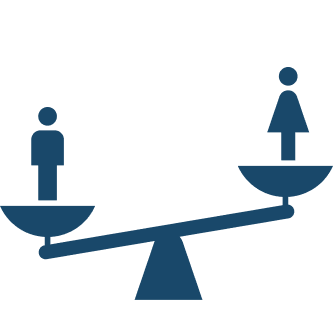
0,443
GII-vísitala í Alsír
Loftslag
Vistfræðileg fótspor


1,3
jarðarkúlur Alsír
Ef hver einasta manneskja á jörðinni ætti að hafa sömu neyslu og meðalmannfjöldi í Alsír, þá þyrftum við 1,3 jarðar.
Vistfræðileg fótsporCO2-losun
Fjöldi tonna koltvísýrings sem hver íbúi losar


3,72
fjöldi tonna af koltvísýringi sem hver íbúi losar Alsír
Mannfjöldi
Íbúar
Fólksfjöldi Alsír
Fæðingartíðni
Meðalfjöldi barna sem hver kona eignast


2,7
Fæðingartíðni Alsír
Barnadauði
Meðalfjöldi barna sem deyja áður en þau ná fimm ára aldri, miðað við hver 1000 fædd börn

22
af hverjum 1000 börnum sem fæðast Alsír
Menntun
Læsi og skrifleg færni
Hlutfall íbúa, 15 ára og eldri, sem eru læs og skrifandi


7,5
af hverjum 10 íbúum yfir 15 ára eru læs og skrifandi Alsír