

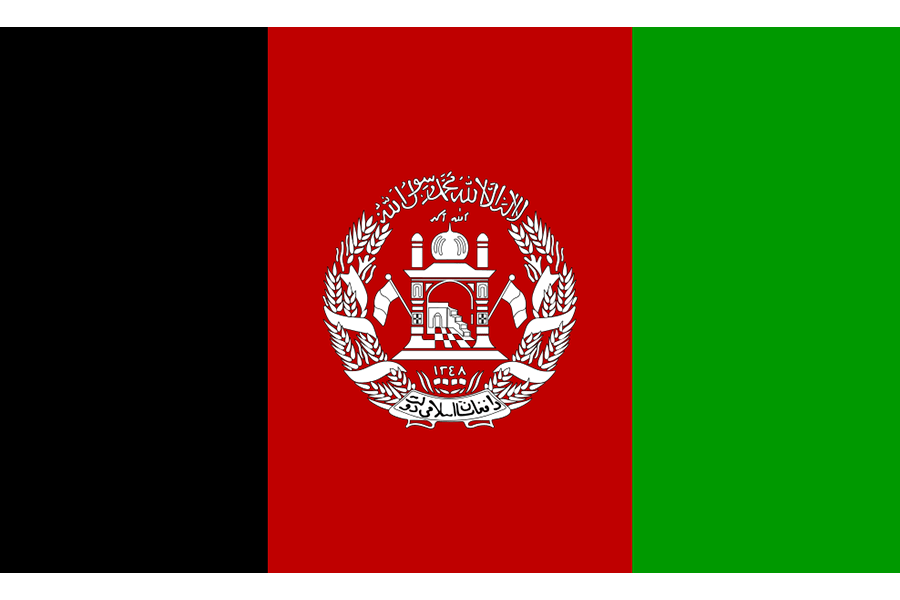
Fáni
Helstu tölur og staðreyndir
| Höfuðborg: | Kabúl |
| Þjóðernishópar: | Landið er þjóðernislega fjölbreytt og stærstu þjóðernishóparnir eru Pastúnar (um 45 prósent), Tadsjikar (25 prósent), Hazarar (10 prósent), Úsbekar (9 prósent), Túrkmenar (3 prósent) og Baluchar (3 prósent). Uppfærðar, áreiðanlegar tölur um íbúafjölda landsins eru ekki tiltækar |
| Tungumál: | Dari og Pastú (opinber mál), úsbekska, túrkmenska, auk yfir 30 annarra tungumála |
| Trúarbrögð: | Súnní-múslimar 84,7%, sjía-múslimar 10-15%, aðrir/engir/ótilgreindir 0,3% |
| Íbúafjöldi: | 45.047.069 (2026) |
| Stjórnarform: | Klerkaveldi og einræðisstjórn |
| Gjaldmiðill: | Afganskur afgani |
| Flatarmál: | 652 860 km2 |
| Verg landsframleiðsla á hvern íbúa: | 1 674 PPP$ |
| Þjóðhátíðardagur: | 19. ágúst |
Geography
Afghanistan is 6.3 times the size of Iceland. Most of the country is mountainous, with deep valleys and high mountains. The highest peak is Noshaq, at 7,492 meters. The Hindu Kush mountain range, which runs northeast from the China-Pakistan border and extends southwest, deep into Afghanistan. The mountain range separates the northern provinces from the rest of the country. The country has a typical inland climate, with hot summers and cold winters.
Drought, soil erosion and a lack of clean drinking water are major problems for the country's population, and forests are scarce. Nevertheless, Afghanistan is not a country that suffers from a lack of water from nature. In the northern part of the country, there are low-lying plains with relatively fertile soil, and in the spring, meltwater from the Hindu Kush fills rivers, lakes and streams. However, most of the water runs off the land and the old irrigation systems have been destroyed.
Saga
Afghanistan has been an important trade and travel route between East and West since ancient times, when the ancient Silk Road passed through the country. The country has been ruled by Persians, Greeks, Tajiks, and Mongols. It was not until around 1700 that the country gained independence when modern-day Afghanistan was founded by Ahmad Shah Durrani. Afghanistan at times controlled large parts of present-day Pakistan and Iran, but from the 1800s onwards, conflicts arose between Afghanistan and the British, who controlled India. In a 1919 peace treaty, Afghanistan had to cede large areas of present-day Pakistan. Throughout the 1900s, lack of economic development led to internal conflict, and in 1973 the king was overthrown in a coup.
In 1979, the Soviet Union invaded Afghanistan to support the communist party that had seized power the previous year. The invasion was met with strong opposition from the population. The insurgents were supported by money and weapons from the United States and China. More than 800,000 Afghans died in the conflict and more than 5 million fled.
When the Soviets withdrew in 1989, they left a country in crisis. The result was another seven years of civil war, before the Islamist Taliban movement took power. The Taliban was a totalitarian regime that persecuted opponents and denied women the right to work and education. However, for many Afghans, the Taliban represented peace and order after years of war.
After the terrorist organization al-Qaeda attacked the United States on September 11, 2001, the United States invaded Afghanistan because the Taliban government allowed al-Qaeda leadership to live in the country. The invasion led to the overthrow of the Taliban government, but it continued as an insurgent group against international forces in the country.
In 2021, as international forces were gradually withdrawing from Afghanistan, the government collapsed completely in the face of a rapid advance by Taliban soldiers. Chaos and displacement followed. The Taliban retook control of government buildings after 20 years of war.
Vistfræðileg fótspor

0,5
jarðarkúlur Afganistan
Ef hver einasta manneskja á jörðinni ætti að hafa sömu neyslu og meðalmannfjöldi í Afganistan, þá þyrftum við 0,5 jarðar.
Vistfræðileg fótsporSociety and politics
Afghanistan is an Islamic republic, organized on the model of a federal republic. The republic is divided into 34 provinces, which are in turn divided into 398 districts. The country has (until recently) been governed by a president and two vice presidents, all of whom are directly elected for five-year terms, who can only be re-elected once. The president is responsible for the country's foreign policy, defense, and civil liberties. He is both head of government and commander-in-chief of the army, and can veto proposals from the National Assembly.
Since the Taliban regained power in August 2021, Afghanistan has been de facto ruled by them, and the old republican system is no longer in effect. The government is now characterized by centralized and religious authority, while international recognition of the form of government remains controversial. Afghanistan became a member of the United Nations on November 19, 1946. Afghanistan is one of the original members of the United Nations and has contributed to the work of the United Nations, in part through its diverse and unique culture.
Lífskjör
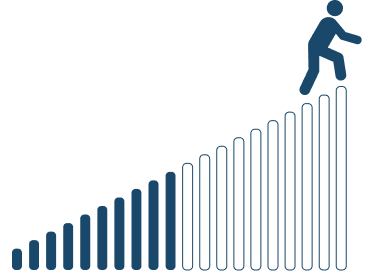
180 / 192
HDI-lífskjör Afganistan
Afganistan er númer 180 af 192 löndum á lífskjaralista SÞ (HDI) yfir mannlega þróun.
HDI - Lífskjaralisti SþEconomy and trade
Afghanistan's economy has suffered from decades of war and conflict. The country has relatively abundant natural resources, including minerals such as coal, copper, and iron ore, as well as oil and natural gas. Natural resources have been underexploited due to the country's insurgency and the lack of proper roads and transportation infrastructure. Although not reflected in official figures, illicit opium production is a mainstay of the Afghan economy.
Afghanistan is completely dependent on international aid, and a large portion of the country's gross domestic product comes from aid and military presence. Armed conflict, corruption, high crime rates, and a weak state apparatus have made it difficult for the Afghan government to rebuild the country, even though the economy has grown since the fall of the Taliban.
Tölfræði
Á þessari síðu er gildi fyrir landið Afganistan fyrir allar mælistikur (frá því ári sem síðast barst). Þú getur auðveldlega borið þessi gildi saman við gildi frá öðru ríki. Sjá vísir
Atvinna
Atvinnuleysi
Hlutfall þeirra sem geta unnið en hafa ekki vinnu.



1,3
af hverjum 10 sem geta unnið eru atvinnulausir Afganistan
Fátækt
Verg landsframleiðsla (VLF) á mann
Hér hefur landsframleiðslu verið skipt jafnt milli íbúa landanna og leiðrétt fyrir kaupmætti

2 202
VLF á hvern íbúa, sett fram í PPP-dollurum Afganistan
Lífskjör
180 / 192
HDI-lífskjör Afganistan
Afganistan er númer 180 af 192 löndum á lífskjaralista SÞ (HDI) yfir mannlega þróun.
HDI - Lífskjaralisti SþHungur
Hlutfall íbúa sem eru vannærðir



2,6
Hlutfall vannærðra íbúa Afganistan
Heilsa
Drykkjarvatn
Hlutfall íbúa sem hafa aðgang að hreinu drykkjarvatni


3,1
af hverjum 10 íbúum hafa aðgang að hreinu drykkjarvatni Afganistan
Bóluefni
Hlutfall barna sem eru bólusett fyrir mislingum



5,5
af hverjum 10 börnum eru bólusett fyrir mislingum Afganistan
Jafnrétti
Kynjamismunun
Kynjamismunun á sviðum heilsu, aðkomu að mikilvægum ákvarðanatökum og atvinnuþátttöku.
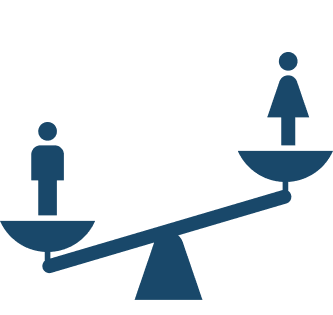
0,661
GII-vísitala í Afganistan
Loftslag
Vistfræðileg fótspor
0,5
jarðarkúlur Afganistan
Ef hver einasta manneskja á jörðinni ætti að hafa sömu neyslu og meðalmannfjöldi í Afganistan, þá þyrftum við 0,5 jarðar.
Vistfræðileg fótsporCO2-losun
Fjöldi tonna koltvísýrings sem hver íbúi losar

0,22
fjöldi tonna af koltvísýringi sem hver íbúi losar Afganistan
Mannfjöldi
Íbúar
Fólksfjöldi Afganistan
Fæðingartíðni
Meðalfjöldi barna sem hver kona eignast


4,7
Fæðingartíðni Afganistan
Barnadauði
Meðalfjöldi barna sem deyja áður en þau ná fimm ára aldri, miðað við hver 1000 fædd börn

56
af hverjum 1000 börnum sem fæðast Afganistan
Menntun
Læsi og skrifleg færni
Hlutfall íbúa, 15 ára og eldri, sem eru læs og skrifandi


3,7
af hverjum 10 íbúum yfir 15 ára eru læs og skrifandi Afganistan